
Drought Tolerant Irrigation
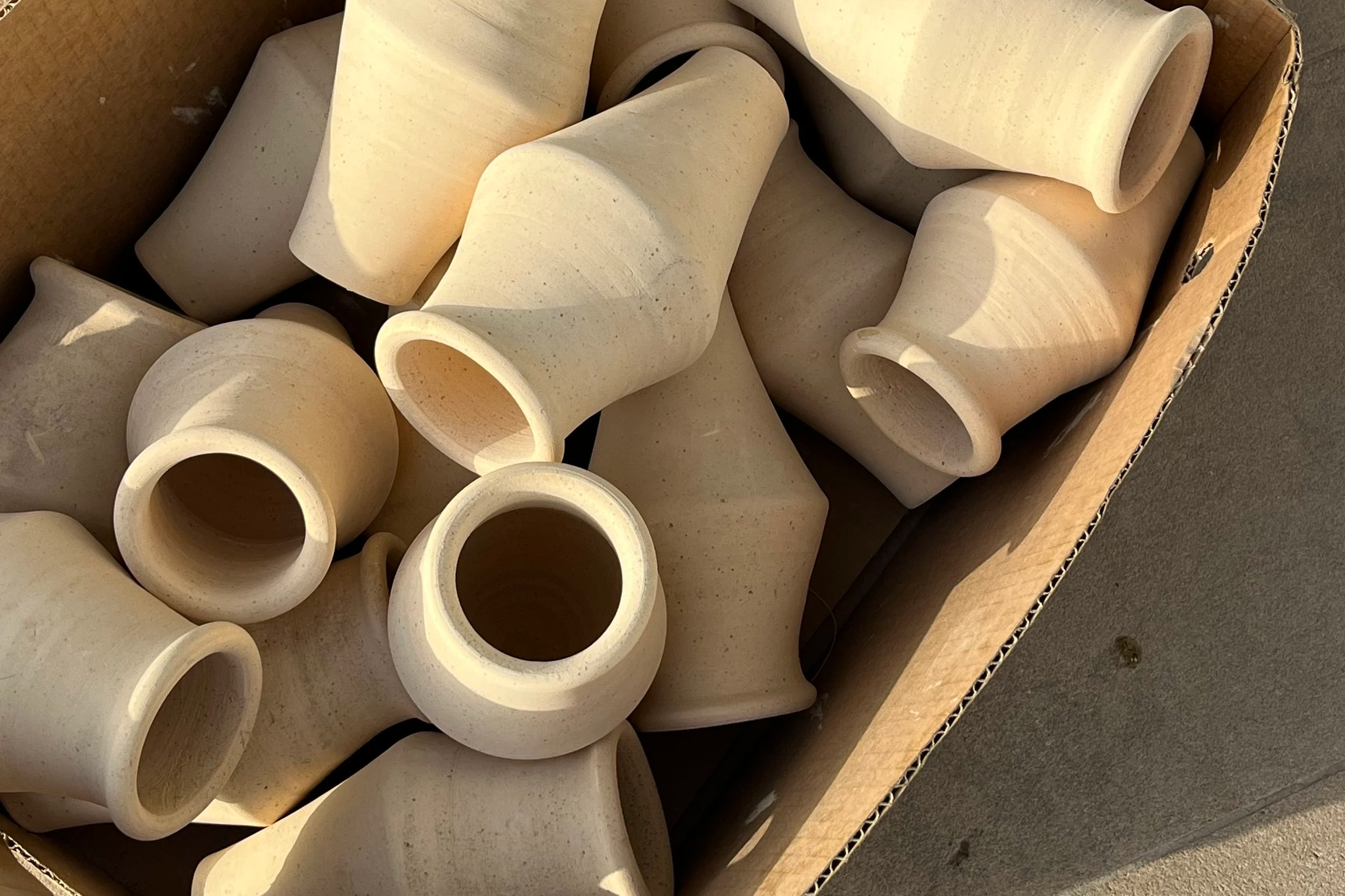
Plants, humans, animals, we’ve all adapted to heat, stress, low income, screaming children, Aramex deliveries (lack thereof). It can be painful but we adapt. Here I wanted to share two very different approaches towater conscious irrigation for warmer climates.They work for different settings, stages, and environments. These are alternatives to the drip irrigation system which can also be used to train for drought tolerance.
First of all, ideally, gardens need to be designed with the climate, not against it. Water is valuable, summer is intense, and not every plant deserves to be pampered forever. The smarter approach is to choose better plants and use better irrigation methods.
In this blog, we look at drought-tolerant irrigation in Bahrain, mainly, deep watering & olla pots, and why this approach is often better than depending only on sprinklers or a standard drip irrigation system.
What Is Drought-Tolerant Irrigation?
Drought-tolerant irrigation is not just one irrigation system. It is a complete approach to watering that helps plants become stronger, deeper-rooted, and less dependent on daily irrigation.
Instead of constantly giving plants small amounts of water, the goal is to water in a way that encourages roots to grow deeper into the soil. This is especially important in Bahrain and other hot climates where shallow watering evaporates quickly and weakens the plant over time.
A good drought-tolerant irrigation approach usually combines deep, infrequent watering; native or climate-adapted plants, mulch, olla pots, smart use of drip irrigation where useful, and less dependence on overhead sprinklers.
Method 1)
Deep infrequent watering
This is great to train the plants to dig down into the water tables below. (If you live in Bahrain, where we are based, and you’re quite close to the sea, you’ll get there quite quickly). This technique also trains plants to be drought tolerant and not so pampered. This means some of your plants won’t make it, accept natural selection and move on. Choose plants more adapted to the environment. This method requires support the first year for the plant to establish but once it does it is extremely resistant. If it’s a native plant (other than palm trees) it would barely need any watering.
Practically, deep watering twice a week for young plants (first year). The goal is to get to once a week and eventually occasional watering.
Method 2)
Olla Pots
Second approach is to use Olla Pots (in image above), these are made with porous clay. If you’re in Bahrain, we recommend the Bahraini clay pots, otherwise, terracotta pots are great.
How this irrigation system works
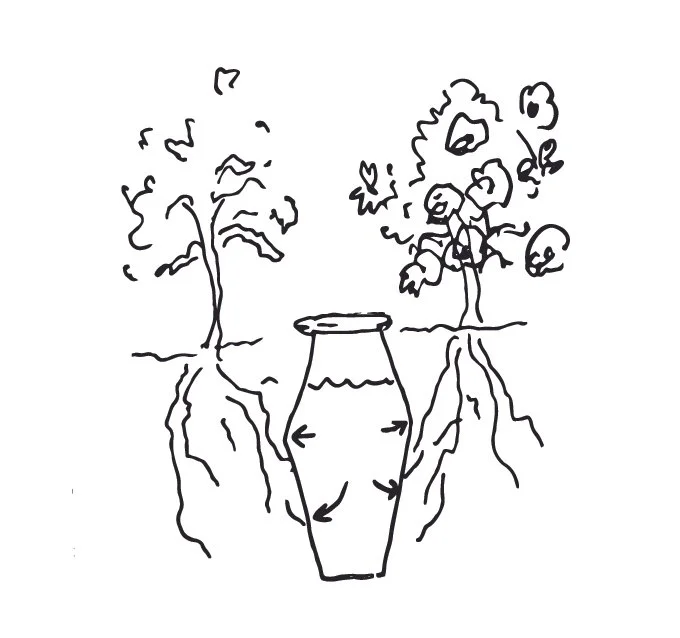
Olla pots are highly porous, so water slowly seeps through their walls and into the surrounding soil. They are buried or placed right next to the plant's roots, delivering moisture exactly when it's needed. As the surrounding soil dries out, both the thirsty soil and the plant's roots naturally pull water out, slowly releasing it right where it's needed most — making it a beautifully passive, self-regulating system.
How to use it correctly
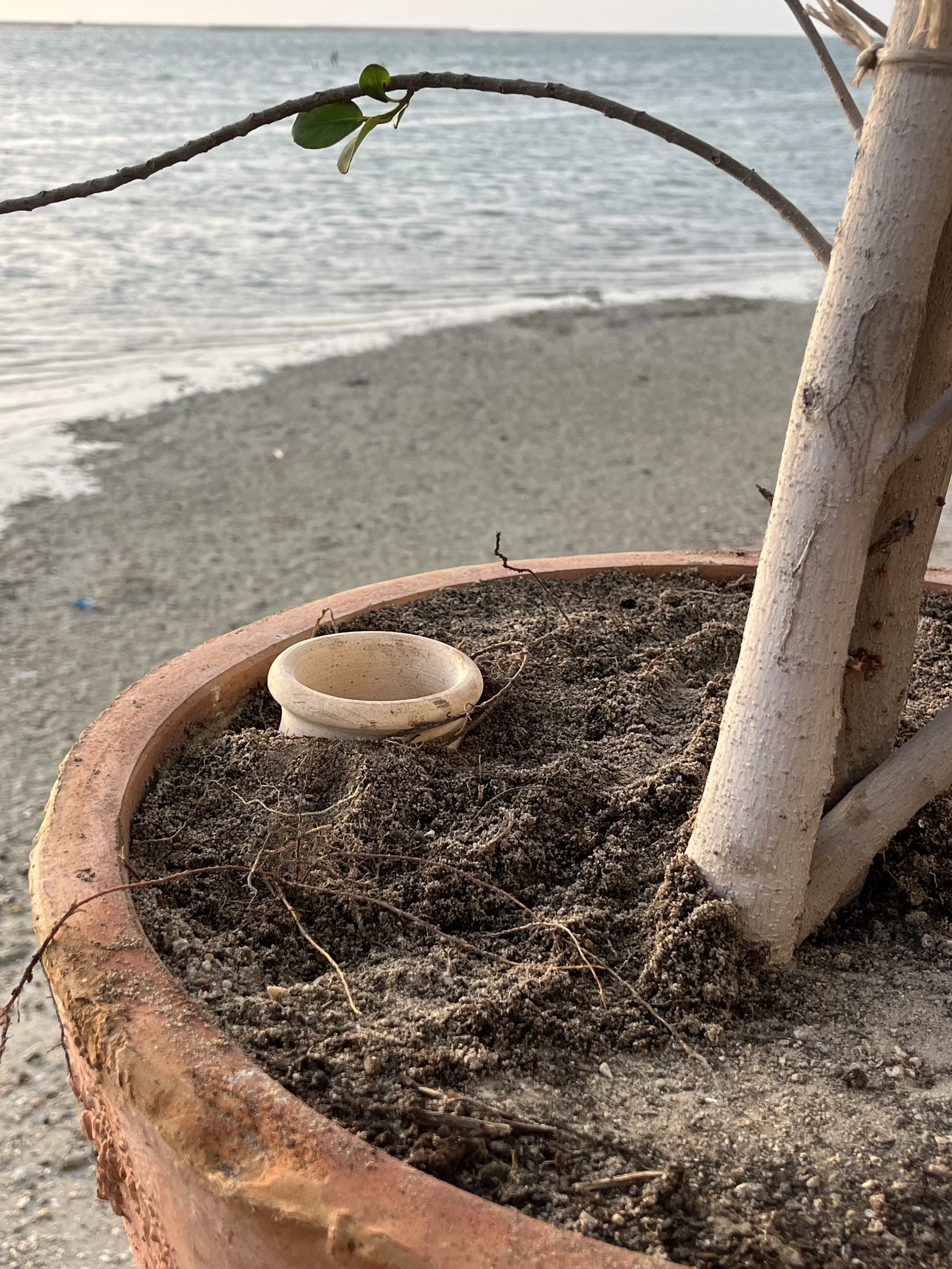
Make sure to soak your pots over night! This allows the pot to hold water and not absorb it into itself every time you fill it up. This is a mistake I made. I noticed every time I poured water into the pots it, the pot itself would absorb it quite quickly cause they’re super porous, especially the Bahraini clay pots. Soak first and they’ll be able to do the job well.
It’s important to keep in mind that these techniques work best with plants that are native to your area because they really demand a lot from the plants and for them to be a little more independent. Choose your plants wisely for your environment!
Need Help With Your Garden?
Contact TOOT to help with your irrigation drama and other sorts of landscaping projects in Bahrain.
Contact Us